
What We Can Learn, Reflect On, And Do This National Day For Truth And Reconciliation
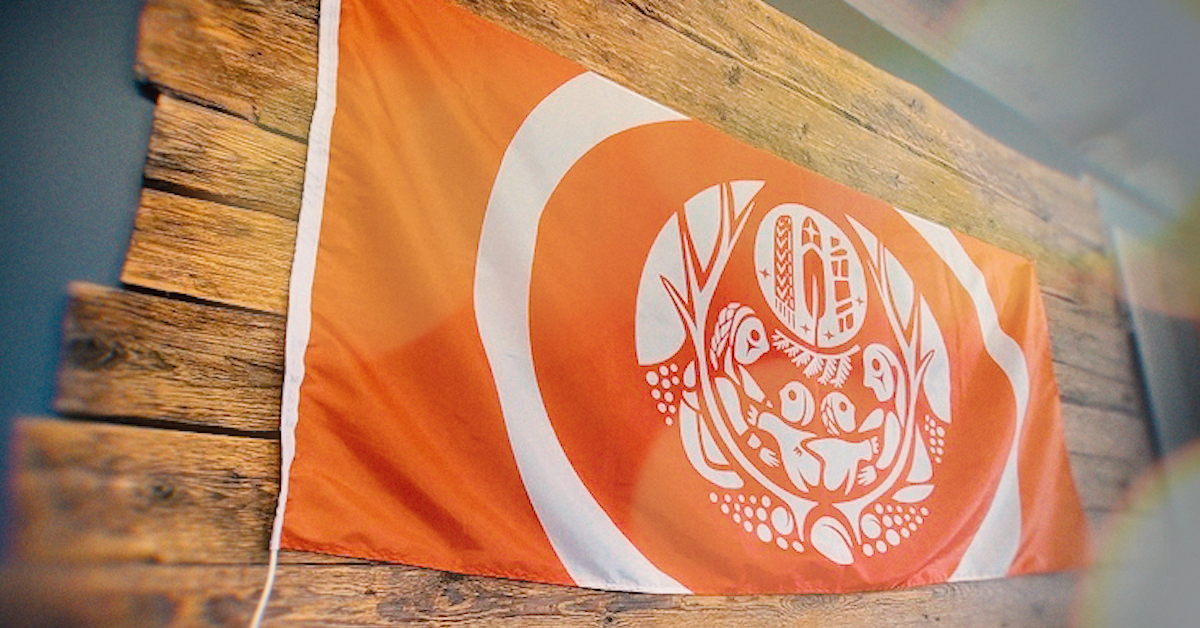
This year for NDTR and Orange Shirt Day, we asked our partners a question: What do you hope people will take the time to learn, reflect on, or do on National Day for Truth and Reconciliation?
Below are their answers.
Stacey Chicoine is the Membership and Communications Manager at Indigenous Physicians Association of Canada. Here’s what she shared:
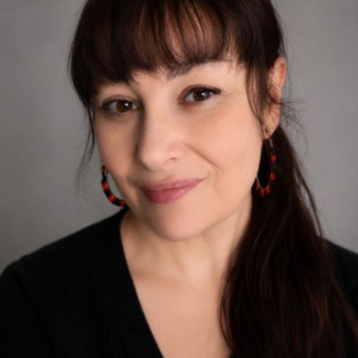
The late Honourable Murray Sinclair said, “Reconciliation is about establishing a relationship of mutual respect.”
My hope is that people take time to listen to Survivors and their families, honour the children who never came home, and understand how the residential school system continues to shape Indigenous Peoples’ experiences today.
That understanding should inform how people use their influence, make decisions and respond to harm. To me, being in good relation means respecting Indigenous colleagues and their knowledge, being willing to question your own assumptions, challenging racism and remaining accountable to communities.
September 30 is an opportunity to consider whether our actions reflect the respect we express. I hope people identify where they have the ability to make a meaningful change and commit to carrying it forward throughout the year.
Josh Hennan is the Owner & CEO of Keya Lifestyle and Bedding. He offered his reflection:
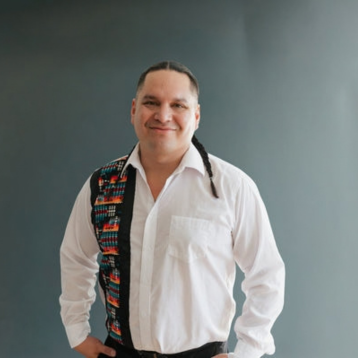
On this day and every day we remember Canada’s dark history. This day represents an opportunity for Canadians to learn more deeply about what happened here on this land. If we allow ourselves to do that, it’s the first step towards reconciliation.
Opportunities exist across the country to educate ourselves by listening to firsthand stories from survivors and their families. September 30th is an important day of reflection, but I hope it becomes much more than that. My hope is that the conversations held across the country lead to building relationships based on respect, understanding and action. The future of Canada is ours to shape if we learn from one another, and honour each other’s cultures, languages, traditions, and voices with reverence.
Reconciliation starts with seeking the truth.
Samantha Gauvreau is the IWST Marketing/Community Outreach Coordinator at Keepers of the Circle. She shared her perspective:
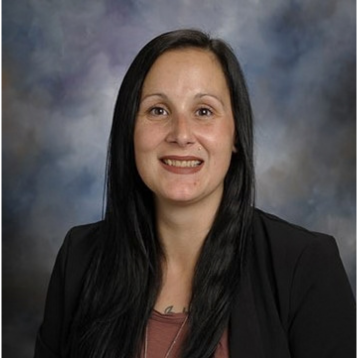
For me, National Day for Truth and Reconciliation is a time to pause, listen, and remember, but also to recognize that reconciliation shouldn’t be limited to just this one day of the year. I hope people take the time to learn about the difficult and painful history of what has happened to Indigenous Peoples in this country, and to understand that the impacts of colonization, residential schools, displacement, and generations of systemic harm are still felt today. I also hope we take time to honour the lives, stories, and families of Indigenous women, girls, and gender-diverse people who have been taken from us, and those who continue to carry the weight of violence and injustice.
Most importantly, I hope people leave September 30th thinking about what reconciliation can look like in their own lives. It can be uncomfortable, and it can take work, but it can also begin with something small: listening to a story, making space for a different perspective, learning about the land and community around you, or simply asking yourself, “What can I do differently to help create a safer and more welcoming space for someone else?”
We are still living with the effects of generations of harm, but reconciliation is an opportunity to help build something better, not only for Indigenous Peoples, but for everyone. Reconciliation is not something we observe once a year. It is something we choose to carry forward.
We’ll be taking time to learn, reflect, and remember, and we hope you’ll do the same, on September 30 and throughout the year.